 |
TSDuck v3.46-4930
MPEG Transport Stream Toolkit
|
|
TSDuck v3.46-4930
MPEG Transport Stream Toolkit
|
#include <tsUserInterrupt.h>
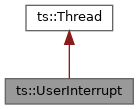
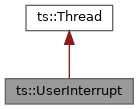
Public Member Functions | |
| UserInterrupt (InterruptHandler *handler, bool one_shot, bool auto_activate) | |
| virtual | ~UserInterrupt () override |
| void | activate () |
| void | deactivate () |
| bool | isActive () const |
| bool | isInterrupted () const |
| void | resetInterrupted () |
An instance of this class handles the Ctrl+C user interrupt.
There must be at most one active instance at a time.
Can be used in two ways:
| ts::UserInterrupt::UserInterrupt | ( | InterruptHandler * | handler, |
| bool | one_shot, | ||
| bool | auto_activate ) |
Constructor.
| [in] | handler | Address of interrupt handler. Can be null. |
| [in] | one_shot | If true, the interrupt will be handled only once, the second time the process will be terminated. |
| [in] | auto_activate | If true, the interrupt handling is immediately activated. |
|
overridevirtual |
Destructor, auto-deactivate.
|
inline |
Check if this interrupt handler is active.
|
inline |
Check if this interrupt was triggered.
|
inline |
Reset interrupt state. Now, isInterrupted() will return false, until the next time the interrupt is triggered.
| void ts::UserInterrupt::activate | ( | ) |
Activate this interrupt handler. Only one handler can be active at a time. This method does nothing if this handler or another handler is already active.
| void ts::UserInterrupt::deactivate | ( | ) |
Deactivate this interrupt handler.
 1.15.0